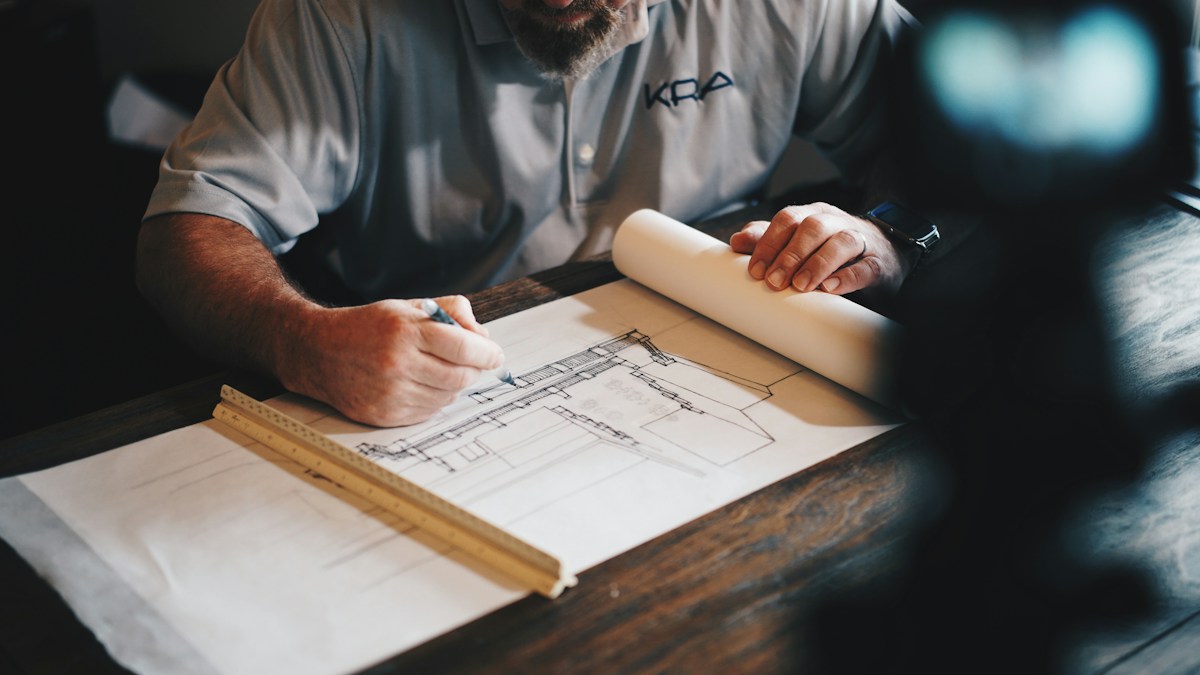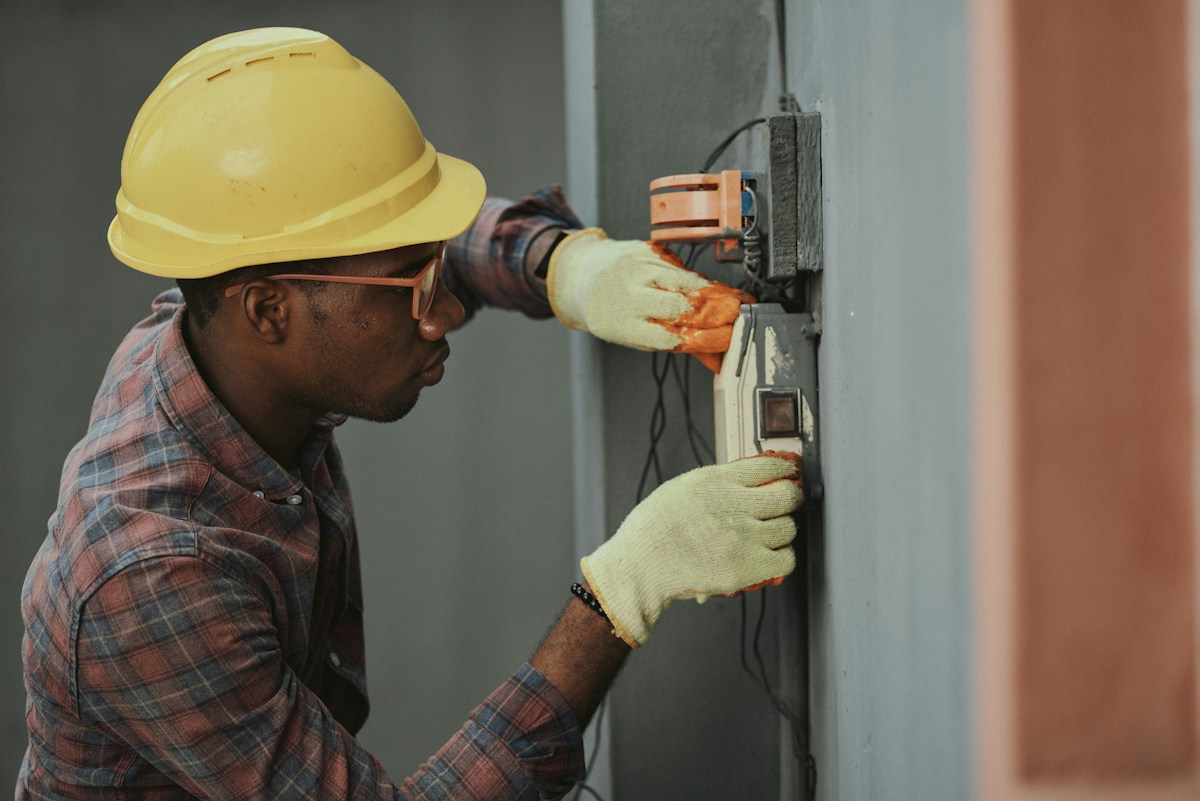
Hiring a contractor in Southwest Florida is a high-stakes decision. The range between a top-tier licensed professional and a fraudulent or incompetent operator is wider here than almost anywhere in the country — partly due to the post-storm contractor surge, partly due to Florida’s unusually high share of unlicensed operators.
This guide tells you exactly how to find, vet, and hire the right contractor — and how to avoid the ones who will cost you far more than you saved on their initial quote.
Step 1: Know What License You Need
Florida requires different license types for different work:
- General Contracting (new construction, additions, renovations): Certified General Contractor (CGC) or Certified Building Contractor (CBC)
- Roofing: Certified Roofing Contractor (CCC)
- Electrical: Certified Electrical Contractor (EC)
- Plumbing: Certified Plumbing Contractor (CFC)
- HVAC: Certified Air Conditioning Contractor (CAC)
For a project involving multiple trades (a kitchen remodel, for example), a licensed GC takes on responsibility for the entire project and coordinates licensed subcontractors for each trade.
Step 2: Find Qualified Candidates
Licensed Sources
- Florida DBPR Contractor Search (MyFloridaLicense.com) — Lets you search for licensed contractors by trade and location
- BuildZoom.com — Aggregates contractor data including license verification, permit history, and reviews
- Referrals from trusted sources — Neighbors, Realtors, and architects who have seen the work firsthand
What to Avoid
- Door-to-door solicitation — This is how post-storm fraud starts
- Craigslist and Facebook Marketplace — Not inherently bad, but exercise more due diligence
- “We were in the neighborhood” contractors
Step 3: Verify Every License Before You Meet
Do this before you invest time in a conversation.
- Go to MyFloridaLicense.com
- Click “Verify a License”
- Search by name or license number
- Confirm: active status, license type, and insurance compliance
If a contractor can’t give you their license number immediately, that’s a red flag. Every licensed contractor knows their number.
Step 4: The First Conversation — What to Ask
When you speak with a contractor for the first time, these questions separate serious professionals from the rest:
“What is your license number and what type of license do you hold?” They should answer without hesitation.
“Are you carrying general liability insurance and workers’ compensation? Can I see your certificates?” A reputable contractor has current certificates and sends them within 24 hours. The certificate should name your address as a certificate holder.
“Will you pull permits for this project?” Yes is the only acceptable answer for any significant work.
“Who are your subcontractors for electrical, plumbing, and HVAC? Are they licensed?” A quality GC knows who they’re using and can confirm those subs are licensed.
“Can you provide three references from similar projects in the last 12 months?” And then actually call those references. Ask specifically: did the project finish on budget? On schedule? Did the contractor communicate proactively when problems arose?
Step 5: Get Multiple Bids — But Don’t Make Price the Decision
For any project over $10,000, get at least three bids. But understand what you’re comparing:
The lowest bid is frequently the highest cost. An underestimate that requires change orders to complete the work ends up costing more than a well-researched initial bid. Change orders are where profit margins are recovered on underpriced work.
Compare line items, not totals. Ask each bidder to break down materials vs. labor, subcontractor costs, and their contractor overhead. A detailed bid is a sign of a professional who has thought through the project.
Ask about allowances. Many bids include “allowances” for items like tile, fixtures, or appliances. These are placeholder numbers. The real cost is revealed when you select actual materials. Make sure you understand what you’re comparing.
Step 6: The Contract — Non-Negotiable Elements
Never begin work without a written contract. Florida law requires certain elements in a contractor-homeowner agreement. Your contract must include:
- Full scope of work — Detailed description of what is and isn’t included
- Material specifications — Brand, model, or description of every specified material
- Payment schedule — Tied to milestones, not arbitrary dates
- Start and completion dates
- Change order process — How changes are documented and priced
- Warranty terms
- Lien waiver provision — Each payment should be accompanied by a lien waiver from the contractor and major subcontractors
Payment Terms: A Critical Point
Never pay more than 10–15% upfront (a deposit to secure the contract and purchase materials). Milestone payments tied to completed work phases are standard. A contractor who demands 50% upfront before work begins is a financial risk.
Assignment of Benefits (AOB): Never sign an AOB for insurance work. This transfers your insurance claim rights to the contractor — a setup that has been widely abused in Florida after storms.
Step 7: During the Project — How to Stay Informed Without Micromanaging
Once work begins:
- Establish a communication rhythm upfront (daily text updates, weekly calls — whatever works for both of you)
- Review work at each milestone before making milestone payments
- Ask about any surprises or changes before they become problems
- Get all change orders in writing before authorizing additional work
Red Flags That Should Stop You Cold
- Demands large cash deposits before starting
- Can’t provide a license number immediately
- Suggests skipping permits
- No written contract offered
- Gives a verbal estimate only
- Uses high-pressure sales tactics (“we have a crew available this week only”)
- Can’t provide insurance certificates
Frequently Asked Questions
How do I know if my contractor is using unlicensed subs? Ask directly who the electrical, plumbing, and HVAC subcontractors are and verify each one at MyFloridaLicense.com. A licensed GC is responsible for ensuring their subs are licensed.
What’s a typical GC markup in Florida? General contractors in FL typically charge 15–25% overhead and profit on top of direct costs. This is legitimate — it covers project management, insurance, warranty obligations, and the risk the GC assumes.
Can I supply my own materials to save money? Yes, in some cases. But if the materials you supply are defective or incorrect, you’re responsible for the additional labor cost when they have to be replaced. Many GCs will not warranty labor on owner-supplied materials.
What happens if the contractor doesn’t finish? If the contractor abandons the project with funds received for incomplete work, file a complaint with the Florida DBPR immediately. This can result in license revocation and fines. You can also pursue civil remedies, and Florida’s Construction Lien Law provides certain protections.
BAC Builders · Fort Myers
Looking for a Licensed Contractor?
Brian holds CGC1531080 — a Florida Certified GC license valid statewide. Verify it at MyFloridaLicense.com, then call.
Topics
Brian Cappucci
Licensed GC · Licensed Realtor · Fort Myers, FL
Brian holds a Florida Certified General Contractor license (CGC1531080) and a Real Estate Sales Associate license (SL3538466). A Purdue Construction Management graduate, he builds and sells throughout Southwest Florida — and brings both perspectives to every project and transaction.