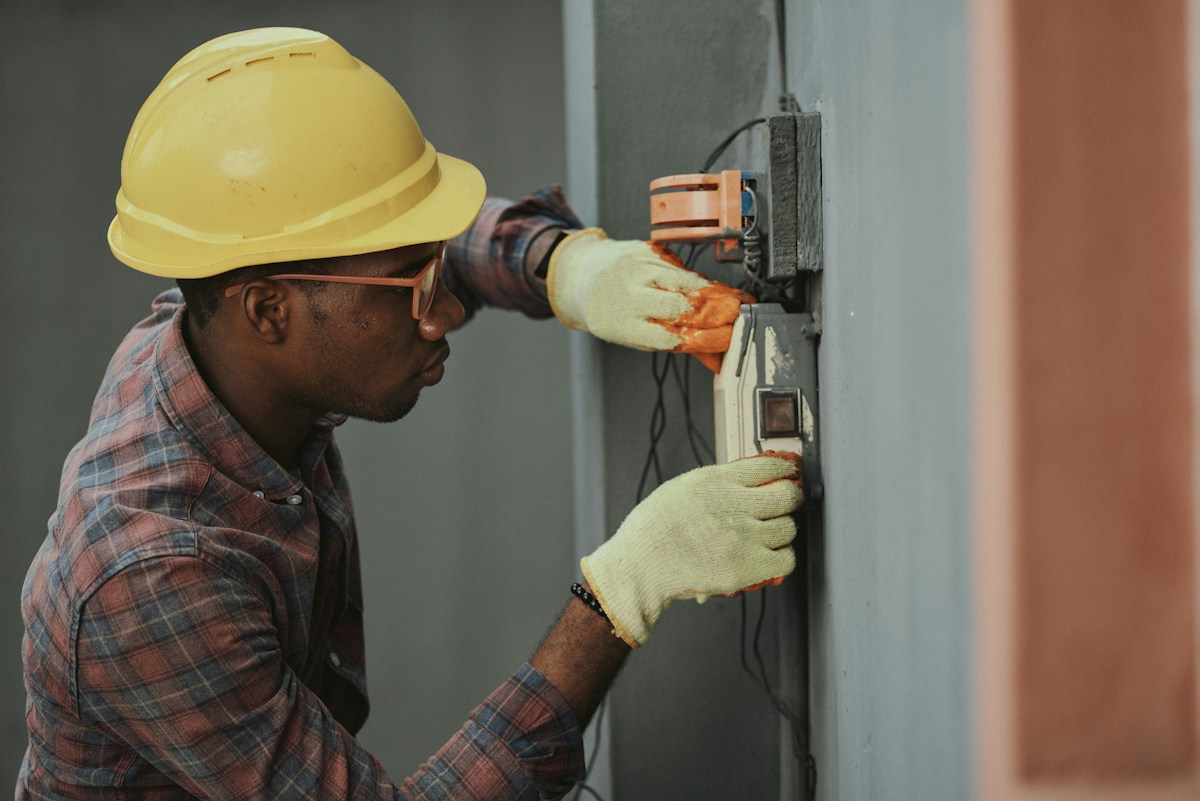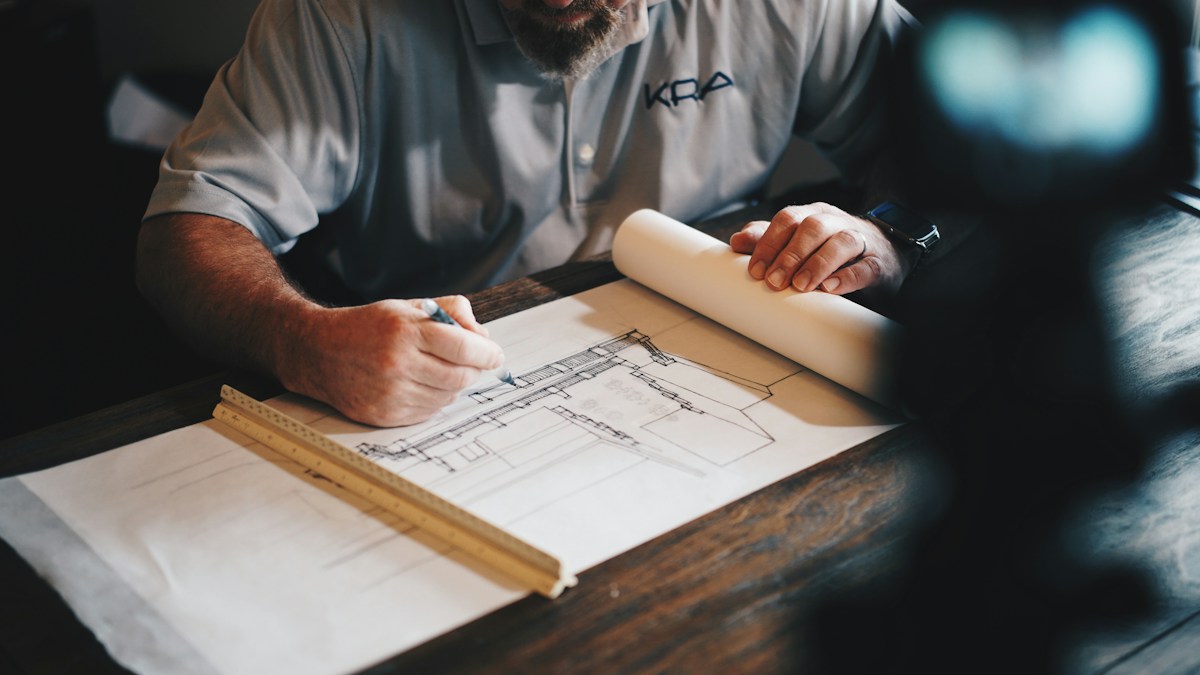
Building permits exist for one reason: to protect you. The permit process requires that construction plans are reviewed for code compliance and that completed work is inspected by a licensed building inspector before it’s covered up or put into service. That inspector is your last line of defense against work that would otherwise fail silently — sometimes years later.
Understanding how permitting works in Lee and Collier County helps you set realistic timelines and expectations, and helps you ask the right questions of any contractor you’re considering hiring.
When Is a Building Permit Required?
In both Lee County and Collier County, a building permit is required for:
- New construction of any structure
- Additions to existing structures
- Structural alterations
- Electrical work beyond simple fixture replacement
- Plumbing work involving drain lines or water supply lines
- HVAC installation or replacement
- Roofing (replacement or new installation)
- Screen enclosures and pool cages
- Swimming pool and spa construction
- Fence installation over certain heights
- Seawall and dock construction
Not typically required:
- Painting (interior or exterior)
- Carpet and flooring (no structural or electrical components)
- Cabinet replacement without plumbing changes
- Simple fixture replacement (faucets, light fixtures that match existing wiring)
If you’re unsure, call the building department. They’ll tell you. This is always better than proceeding without a permit and discovering the issue at sale.
Lee County Permitting
Who Issues Permits
Lee County Building Department handles unincorporated Lee County. The City of Fort Myers and City of Cape Coral each have their own building departments for properties within their city limits.
- Unincorporated Lee County: Lee County Building Department — BuildLee.com
- City of Fort Myers: Fort Myers Building Services
- City of Cape Coral: Cape Coral Building Division
Typical Timeline
- Simple permits (re-roof, AC replacement, plumbing fixture): 1–3 weeks
- Residential renovation permits (kitchen, bath, addition): 3–6 weeks
- New construction: 8–16 weeks
These are typical timelines in normal conditions. Post-storm periods can extend timelines significantly.
Documents Required (Residential Renovation)
- Completed permit application
- Product approvals for specified materials (particularly for windows/doors in HVHZ)
- Contractor license and insurance certificates
- Construction drawings (required for structural work; complexity determines scope)
- Subcontractor permits for electrical, plumbing, HVAC trades (pulled separately by each licensed sub)
Fees
Lee County permit fees are based on project value. Rough estimate: 1.5–2.5% of project value, with minimums. A $50,000 kitchen remodel might generate $1,200–$2,000 in permit fees.
Collier County Permitting
Who Issues Permits
Collier County Growth Management Department handles unincorporated Collier County. The City of Naples and City of Marco Island each have separate building departments.
- Unincorporated Collier County: Collier County Growth Management
- City of Naples: Naples Building Review & Permitting
- Marco Island: City of Marco Island Building Department
Typical Timeline
Collier County is generally slower than Lee County:
- Simple permits: 2–4 weeks
- Residential renovation: 6–12 weeks
- New construction: 12–20 weeks
Collier County’s review is thorough, particularly for coastal properties and anything in environmentally sensitive areas.
Special Considerations in Collier County
- Coastal Construction Control Line (CCCL): Any project within 50 feet of the Gulf of Mexico or a tidal waterway requires additional review through the Florida Department of Environmental Protection
- SFWMD review: Projects affecting drainage in Collier County may require South Florida Water Management District approval
- HOA ARC approval: In most Collier County luxury communities (Grey Oaks, Mediterra, Pelican Bay), you need HOA Architectural Review Committee approval BEFORE applying for the county permit. The HOA process can add 4–8 weeks
The Inspection Process
Once your permit is issued and work begins, inspections are required at specific stages:
Common Inspection Stages
- Foundation/slab: Before concrete is poured
- Rough electrical: Before walls are closed
- Rough plumbing: Before walls are closed
- Rough HVAC/mechanical: Before walls are closed
- Insulation: Before drywall
- Final (each trade): At completion
- Final building: Overall project completion
Who inspects: Licensed county or city inspectors. The contractor schedules inspections through the county’s online portal or phone system — typically 24–48 hours’ notice required.
What if something fails? The inspector leaves a correction notice. The issue is remediated and a re-inspection is requested. Failed inspections add time and cost but are the normal course of construction. A contractor who says “we never fail inspections” is either not pulling permits or not being honest.
Working With a Licensed GC Makes This Easier
A licensed General Contractor handles the entire permit process for you: applications, drawings, subcontractor coordination, inspection scheduling, and permit close-out. As the permit holder, the GC is legally responsible for the project’s compliance with code.
This is one of the most important reasons to use a licensed GC rather than an unlicensed contractor for any significant project. An unlicensed contractor typically cannot pull permits — which means either no permits are pulled (illegal, creates problems at sale) or you as the owner are asked to pull them (which puts you in the contractor role legally).
Frequently Asked Questions
Can I look up permit history on a home I’m considering buying? Yes. Both Lee County (BuildLee.com) and Collier County provide public permit search. Enter the property address and see all permits pulled, their status, and inspection results. This is essential due diligence for buyers in SW Florida — it reveals whether prior work was permitted and whether those permits were closed out.
What happens if I sell a home with open or expired permits? Open permits are a title issue that must be resolved before closing in most transactions. An experienced real estate attorney and title company can help navigate this — but it requires the seller to either close out the permit (complete inspections) or potentially undo and redo the work.
How long does a permit remain valid in Florida? Permits expire if substantial construction activity doesn’t begin within 180 days of issuance, or if work stops for more than 180 consecutive days. Permits can be renewed for an additional fee, typically once.
Do solar panel installations require a permit in SW Florida? Yes. Solar installations require both a building permit and an electrical permit in Lee and Collier County. Roof attachment, electrical interconnection, and utility notification are all reviewed.
BAC Builders · Fort Myers
Looking for a Licensed Contractor?
Brian holds CGC1531080 — a Florida Certified GC license valid statewide. Verify it at MyFloridaLicense.com, then call.
Topics
Brian Cappucci
Licensed GC · Licensed Realtor · Fort Myers, FL
Brian holds a Florida Certified General Contractor license (CGC1531080) and a Real Estate Sales Associate license (SL3538466). A Purdue Construction Management graduate, he builds and sells throughout Southwest Florida — and brings both perspectives to every project and transaction.